Casino Sites Not Registered With GamStop UK 2026: Full Guide
 Verfügbar in DE
- Quick Take: The 2026 Non-GamStop Shortlist
- What „Not Registered With GamStop“ Actually Means in 2026
- Why More UK Players Are Looking Offshore in 2026
- The Legal Position — Is Any of This Illegal for a UK Resident?
- How I Ranked the Sites (And Why the Same Company Keeps Winning)
- Top 8 Casino Sites Not Registered With GamStop UK 2026 — Ranked
- Non-GamStop Casinos At a Glance
- The Licensing Landscape Behind the Sites
- Slots Not Registered With GamStop — What Changes When the £5 Cap Disappears
- Live Dealer at Non-GamStop Casinos — Same Studios, Different Rules
- Payments, Payouts and the PayPal / Boku Problem
- Bonuses and Wagering — Reading Past the Headline Percentage
- New Casinos Not Registered With GamStop in 2026 — What’s Worth a First Deposit
- Casinos Not Registered With GamStop for Players in Wales, Scotland and Northern Ireland
- Safety and Trust — How to Verify a Non-GamStop Site Yourself
- Responsible Gambling Outside the UKGC Framework
- Responsible Gambling When the Safety Net Is Thinner

Quick Take: The 2026 Non-GamStop Shortlist
The strongest casino sites not registered with GamStop UK 2026 we’ve tested, ranked by overall balance rather than headline bonus size, are MyStake, DonBet and GoldenBet in the top three, followed by VeloBet, FreshBet, Rolletto, Jack (the May 2026 rebrand of Jackbit) and BassWin. None hold a UK Gambling Commission licence. All accept UK residents. Seven of the eight sit under a Curaçao Gaming Authority licence issued after the post-LOK reform of December 2024; one runs a hybrid crypto-first model on the same jurisdiction.
The full ranked breakdown, with what each brand does well and where each falls short, sits further down in the Top 8 section. Skip ahead if you’re here for the shortlist. Read on if you want to understand why the offshore market looks nothing like it did three years ago, why the same handful of Curaçao entities own six of the „independent“ brands you keep seeing recommended, and where the actual risks sit before you fund any account.
What „Not Registered With GamStop“ Actually Means in 2026
GamStop is the UK’s national self-exclusion register. Sign up, and every operator holding a UK Gambling Commission (UKGC) licence must block your account for the period you selected — six months, one year, or five years, with the five-year option now offering auto-renewal that behaves effectively as a lifetime block unless you actively opt out. The mechanism is operator-side, not device-side. It only touches sites that answer to the UKGC.
Casino sites not registered with GamStop are, by definition, sites that don’t hold a UKGC licence and therefore aren’t obliged to consult that register. They live under offshore regulators instead — the Curaçao Gaming Authority (CGA), the Anjouan Gaming Authority (AGA), the Malta Gaming Authority (MGA), or the Kahnawake Gaming Commission (KGC) in Canada. Different rulebook. Different consumer-protection framework. Same slot engines, in most cases, spinning inside the same browser.
Worth clearing up the linguistic mess before we go further. „Non GamStop“, „not on GamStop“, „not registered with GamStop“, „sites without GamStop“, „outside GamStop“ — all describe the same category. So does the accidental misspelling „GameStop“, which is a US video-game retailer with nothing to do with online gambling and everything to do with autocomplete not knowing your intent. Every reference to „GameStop casinos“ in the wild is a GamStop typo. File that away and forget about it.
The market itself has changed sharply in eighteen months. According to Gamstop’s own H2 2025 disclosure, more than 562,000 people had self-excluded through the scheme by year-end, with 58,675 new registrations in the six months to 31 December 2025 and a 40% year-on-year jump in sign-ups from 16–24 year olds. Roughly one in a hundred UK adults is now inside the register. A meaningful slice of that population, at some point, goes looking for what still opens the login page. That’s the demand pulling the offshore market — and it’s larger every quarter.
Why More UK Players Are Looking Offshore in 2026
The migration isn’t happening because British punters woke up one morning craving Comorian consumer law. It’s happening because the domestic environment has shifted in a very specific direction, and the shifts stack on top of each other. Understand the stack, and the whole offshore market makes considerably more sense.
Start with the stake cap. From 9 April 2025, a £5 maximum stake per online slot spin applied to every UKGC-licensed operator; from 21 May 2025, the 18–24 age band got a tighter £2 cap of its own. That’s a hard structural limit — no player intervention, no override, no exception anywhere on the UK-licensed market. Anyone playing £10 or £20 a spin at UK slots before April 2025 simply no longer plays £10 or £20 a spin at UK slots.
Then the affordability layer. From 30 August 2024, „financial vulnerability“ checks began triggering above £500 net deposits in a rolling month; from 28 February 2025, that threshold dropped to £150. Small thresholds mean documentation review, credit-reference-agency data pulls, and — by the Gambling Commission’s own pilot figures — around 3% of active customer accounts trigger some form of operator intervention. Frictionless in most cases. Not frictionless in every case, and vocal on the ones that break.
Tax reform hit in the same window. Remote Gaming Duty rose from 21% to 40% from April 2026. Operators absorb some of that. Players absorb the rest — through worse RTP on new title deals, thinner reload offers, quieter VIP programmes, and the general chill of a market squeezed on margin. The word „generous“ has been getting a lot lighter across UKGC lobbies through the year.
Then the smaller cuts. Credit cards banned since 2020. Bonus buys banned in 2024. Autoplay banned. A 2.5-second minimum between slot cycles. Every one of those measures has a rational safer-gambling case behind it. Every one has also nudged a specific type of player toward operators that don’t apply them. That’s the mechanical reality of the migration. Non-GamStop sites don’t apply any of these. That’s the pull. It isn’t ideological — it’s structural. When the domestic market closes ten small doors in sequence, the alternative market picks up the traffic. Pretending otherwise doesn’t make it not so.

The Legal Position — Is Any of This Illegal for a UK Resident?
Short answer: no. Longer answer worth understanding properly.
The Gambling Act 2005 makes it a criminal offence to provide gambling facilities to people in Great Britain without a UKGC licence. Sections 33 and 37 carry a maximum penalty of 51 weeks‘ imprisonment, an unlimited fine, or both — but the offence lands squarely on the operator, not on the individual player. There is no UK law that criminalises a resident for placing a bet at an offshore or unlicensed site. No prosecution, no fine, no penalty on the punter side. That distinction was deliberate in the drafting.
The UKGC does have teeth against operators. Section 116 of the Act gives the regulator powers to warn, fine, suspend or revoke a licence, and settlements in the tens of millions of pounds have become routine for anti-money-laundering and social-responsibility breaches at UK-licensed sites. Enforcement against offshore operators is a different matter — the Commission relies on payment-processor blocks, ISP-level intervention, and diplomatic pressure through licensing jurisdictions rather than direct criminal reach. From the player’s perspective, none of that changes the personal legal exposure, which remains zero.
What you do lose is UKGC consumer protection. No access to the Gambling Ombudsman if a site vanishes with your balance. No mandatory LCCP safer-gambling obligations at the operator level. Foreign licence disputes go to the foreign regulator, and how seriously that regulator takes them varies enormously between jurisdictions. This is where „legal“ and „safe“ stop being the same word. It’s also why the licence a site actually holds — Curaçao, Anjouan, Malta, Kahnawake — deserves considerably more attention than the size of its welcome bonus.
Is it illegal to play at casino sites not registered with GamStop in the UK?
No. Playing at an offshore casino from a UK address is not a criminal offence under the Gambling Act 2005, which regulates operators rather than individual players. What you give up is UKGC dispute resolution, LCCP safer-gambling standards, and GamStop integration. The offshore licence becomes your whole consumer protection. Choose it carefully.
How I Ranked the Sites (And Why the Same Company Keeps Winning)
Independence disclaimer, since these stakes are worth being blunt about: this guide is affiliate-supported, meaning I earn a commission if you register through the links. That does not decide the ranking. What decides it is a five-point test I run before any operator enters the shortlist:
- Licence verifiability. The number in the footer has to match an active entry on the issuing regulator’s public register. Curaçao CGA, Anjouan AGA, Malta MGA and Kahnawake KGC all publish live databases. A licence „pending renewal“ is a licence I don’t count.
- Withdrawal timing under real conditions. Small deposit, small win, actual cashout to an actual e-wallet. Advertised times are marketing. Measured times are data. The gap between the two is often significant.
- Bonus terms in the small print. Max cashout caps, max bet during wagering, contribution weightings, expiry windows, and — most quietly damaging — the specific games excluded from wagering contribution entirely.
- Complaint pattern at neutral trackers. Casino Guru, AskGamblers and the Trustpilot pattern together, not any single source in isolation. Anyone can farm reviews. Nobody can fully suppress a pattern across three independent boards.
- Payment breadth for UK players. GBP-denominated cashiers, Skrill and Neteller availability, working card processing, and where present, Boku and crypto rails.
Now the information-gain point most guides tiptoe around. Spend an hour on non-GamStop review sites and you’ll notice something odd: a specific set of brands keep showing up together. MyStake, DonBet, GoldenBet, VeloBet, FreshBet, Rolletto, Cosmobet — all sold as independent operators, all pulling from what looks suspiciously like the same platform stack. They are. Santeda International B.V., registered in Curaçao, operates the entire cluster as a white-label family.
That’s not a scandal in itself. White-label operations are how a large share of the offshore market has always functioned. It matters here because your „diversification“ across six sister brands is largely fictional — if Santeda has an operational issue at cashier or wallet level, all six sites feel it at the same time. Worth knowing before you keep six separate £50 deposits open across the group and assume you’ve spread the risk.
Top 8 Casino Sites Not Registered With GamStop UK 2026 — Ranked
1. MyStake — the Santeda flagship, biggest catalogue
MyStake is the oldest and largest of the Santeda cluster and, by volume alone, the natural default for a first offshore account. The library sits in the region of 7,000 titles across slots, live dealer, and a functioning sportsbook — Pragmatic Play, NetEnt, Hacksaw Gaming, Nolimit City, plus a handful of house-branded slots that quietly return the worst RTP on the site (as house-brands tend to). The site accepts UK players, holds a Curaçao licence, and processes withdrawals inside a 1–48 hour window depending on method. Credit cards work. Crypto works. Skrill and Neteller work.
Where MyStake falls short is bonus discipline. The welcome package looks generous on the surface — a three-tier casino match plus separate crypto and sports offers — but the max-bet-during-wagering rule sits at £5, contribution weightings on live tables drop below 10%, and the wagering multiplier applied to deposit plus bonus turns a £100 top-up into a full weekend of grinding. Not exploitative. Just not as loud as the front page implies once you get out the calculator.
Withdrawal complaints in the wild lean the same way most Santeda brands lean: slower than the marketed 24 hours when volume spikes, faster than that when it doesn’t. Support responds. KYC gets asked for at cashout, not at deposit — which, for many players, is the entire point. If you want depth without novelty, MyStake is the sensible pick.
2. DonBet — sportsbook plus 8,000 games
DonBet is Santeda’s sports-first sibling and the one I’d steer any hybrid casino-and-betting player toward first. The library runs to roughly 8,000 titles including around 6,000 slots — Pragmatic Play, Hacksaw, Nolimit City and Play’n GO cover every major mechanic between them. The sportsbook spans forty-plus sports with in-play markets that hold up against dedicated bookmakers, not always a given when a casino grows a sports section as a side project.
The bonus structure splits welcome value across casino and sports rather than dumping it all into a single top-heavy match. That’s a plus for anyone who bets both — you don’t have to choose which product you want to unlock. Playthrough on the sports side sits below the casino equivalent, which is unusual and, more importantly, achievable within a normal weekend of activity. Free-spin activity runs on smaller no-deposit packages of 25 spins, credited on registration with modest cashout caps.
Ezugi joins Evolution in the live-dealer lobby, giving you a handful of regional roulette variants and card games you won’t find on the sister sites. Withdrawal timing runs 24 hours for e-wallets and same-day for crypto in normal conditions. DonBet doesn’t have the polish of a UK-licensed heavyweight, but it’s easily the most complete Santeda product on the shelf.
3. GoldenBet — deep slots lobby, honest payout speed
GoldenBet sits comfortably in the top three for slot library breadth — around 5,600 slots from Pragmatic Play, NetEnt, Hacksaw, Nolimit City and BGaming, plus 200-plus live tables. The lobby is well-organised, which sounds trivial until you’ve spent ten minutes scrolling a badly indexed casino trying to remember what Nolimit release you were curious about.
The player experience skews solid rather than spectacular. Welcome bonuses match the Santeda template — 100%–150% deposit match, 30x–40x wagering — and reload frequency is decent through the week. The 500 GBP welcome bonus advertised on some affiliate pages is the base tier; the full package unlocks across two or three deposits, so read the terms before you plan around the headline number.
Where GoldenBet edges its sister sites is payout reliability under smaller withdrawal amounts. Sub-£300 requests to Skrill land in the two-to-eight hour window with reasonable consistency. Bigger cashouts trigger the same manual review as anywhere else — a passport scan, sometimes a video verification, occasionally a second document request that feels like the operator hoping you’ll change your mind and gamble the balance back. Standard offshore theatre. Withdrawals always eventually complete. That’s more than can be said for a few brands not on this list.
4. VeloBet — the newest Santeda brand, best entry-level offer
VeloBet launched in 2023 as Santeda’s most recent white-label rollout, and it holds a Curaçao eGaming Authority licence issued under the post-LOK direct model. That freshness cuts both ways. The interface feels cleaner than MyStake’s — the older brand carries some legacy UX baggage — and the promotional cadence is more aggressive because VeloBet is still buying market share.
The signature welcome hook is 100 free spins on Book of Dead with 0x wagering, activated through a promo code. Zero wagering. The cashout is capped, obviously — the operator isn’t a charity — but 0x is 0x. Combine that with a €3,000 total welcome package split across three deposits and you have entry-level value that most UKGC-licensed sites cannot legally match under the current 2026 promotional rules.
Payment breadth covers Bank Wire, Visa, MasterCard, Payz, AstroPay Direct, Skrill, Neteller and multiple cryptocurrencies including Monero, and the account supports GBP alongside EUR and USD. The weekly withdrawal cap sits at €7,500 — a real ceiling for higher-stakes players, not so much for the typical Friday-night session. Trustpilot averages sit around 3.5/5, which is standard for the segment; nothing headline-worthy either way.
5. FreshBet — publishes RTP averages, which almost nobody else does
FreshBet is the transparency play in the Santeda group. The library is smaller at around 4,800 slots, but the average RTP across the site sits at a published 96%, and the sports coverage runs to more than 90,000 live events per year. That published RTP figure is worth pausing on — most operators refuse to publish an average because most operators know it embarrasses them. FreshBet quoting one openly is either genuinely competitive or a marketing decision that assumes nobody will check. Either way, it’s a data point you can actually use.
The provider mix leans toward Thunderkick, Quickspin, Red Tiger and the mainstream Pragmatic Play catalogue, skewing more mid-volatility than the DonBet lineup. If your comfort zone is fewer bonus rounds and more base-game frequency, FreshBet plays into that pattern. Slots that live in the 96–97% RTP band get better representation than at most sites in the group.
Welcome bonus follows the Santeda pattern — 100% match on first deposit with a separate crypto boost tier. Live sports betting is where the site actually distinguishes itself: 120 live tables, 90,000+ events, and a sportsbook interface that doesn’t feel bolted on. Payment methods cover the standard offshore set including Boku on some UK accounts, though availability rotates by month depending on the operator’s carrier relationships.
6. Rolletto — sportsbook depth, competitive crypto handling
Rolletto is another Santeda sibling, this one leaning into crypto payments alongside conventional banking. Bitcoin, Ethereum and Litecoin process alongside Visa, Mastercard, Skrill, and traditional wire. The lobby is deep — Pragmatic Play and Hacksaw account for a big share of the slots, and the sportsbook is fully integrated rather than a linked afterthought.
Rolletto’s calling card is one of the more forgiving free-spins programmes in the offshore market. A no-deposit 100-spins offer with 1x wagering — genuinely close to zero playthrough — is the entry-level hook. The cashout cap keeps you honest, but the wagering multiplier is negligible enough that the promo has actual net value once the initial spins clear. Compare that with the 40x-on-bonus-plus-deposit routine that dominates the sector and it’s a real edge.
The site’s Safety Index scoring at neutral third-party trackers hovers around the Santeda group average — fine, but not exceptional. Nothing about Rolletto is likely to be your favourite thing about any site you use, but it will do its job on a Sunday afternoon without drama, and it will pay you when the session ends in your favour.
7. Jack (ex-Jackbit) — crypto-first, wager-free spins, fastest cashouts
Jack.com is the May 2026 rebrand of Jackbit, operated by Data Link Digital B.V. under a Curaçao licence. Same crypto-first casino, same sportsbook, same rakeback VIP model — new name, new colours, refreshed interface. Balances and player accounts carried across the rename without disruption.
This is a different animal from the Santeda cluster. Crypto-primary means BTC, ETH, LTC, USDT, XRP, TRX and SOL handled natively, with typical withdrawal times sitting in the 5–15 minute window. Card and fiat routes exist but are secondary. Welcome value is a 100-spin package on Book of Dead with zero wagering after a $50 deposit — the same „zero-wagering“ pitch the Santeda sites use, but delivered through a very different payment infrastructure.
Reputation is the more mixed picture. Trustpilot and Reddit sentiment leans cautious on repeated document requests and video KYC at cashout stage, particularly for regular winners. Sports bettors with a demonstrable edge tend to hit bet-sizing limits inside a fortnight. If crypto is your normal deposit route and your session sizes are modest, Jack is the fastest offshore payout you’ll find. If you’re a sharp with a winning record on football or tennis markets, expect friction to appear early.
8. BassWin — classic-fruit-machine catalogue, tournament format
BassWin is the outlier on this list precisely because it doesn’t chase the Pragmatic Play / Hacksaw arms race that every other operator here relies on. The 1,500-slot library leans heavily on Amatic and Novomatic — think classic pub-fruit-machine feel — alongside a shorter Pragmatic Play selection. If you play offshore because you want High-Volatility Megaways Number 47, BassWin is not for you. If you play because you actually enjoyed the fruit-machine format before it got squeezed off the UK high street, this is the closest online equivalent.
The site operates full sports coverage across 55-plus sports and runs slot tournaments that lift the base-game experience noticeably — leaderboards, cash prize pools, weekly reset structures. A no-deposit 50 spins on registration, no code required, plus a 150% match up to £1,000 with 100 additional spins on the first deposit. Wagering sits at 40x, contribution weighting favours the classic slot library, and the promo is genuinely usable within a fortnight of moderate play.
The Curaçao licence is on file. Visa, MasterCard, Apple Pay and the main cryptocurrencies process deposits instantly. Withdrawals to e-wallets clear inside a working day under normal conditions. Not a heavyweight, but a considered choice for a specific taste in slot format.
Non-GamStop Casinos At a Glance
The table below is a shortcut, not a substitute for reading the small print. All eight operators hold offshore licences. All eight take UK deposits. None of them are UKGC-licensed, and none of them integrate with GamStop. The „welcome bonus“ column shows the headline rather than the effective post-wagering value — read the Bonuses and Wagering section further down before you plan around any number in it.
| Operator | Licence | Welcome Bonus (headline) | Min Deposit | Typical Withdrawal Speed | Standout Feature |
|---|---|---|---|---|---|
| MyStake | Curaçao (CGA) | 3-tier casino match + crypto/sports offers | £20 | 1–48 hours | Biggest library at ~7,000 titles |
| DonBet | Curaçao (CGA) | Split casino/sports welcome | £20 | 24 hours (e-wallet) | 40+ sports, integrated sportsbook |
| GoldenBet | Curaçao (CGA) | £500 across tiers | £10 | 2–8 hours (small cashouts) | Best lobby navigation |
| VeloBet | Curaçao (CGA) | 100 free spins (0x wagering) + €3,000 | £10 | 48–72 hours | Zero-wagering no-deposit hook |
| FreshBet | Curaçao (CGA) | 100% match + crypto tier | £20 | 24–48 hours | Published 96% average RTP |
| Rolletto | Curaçao (CGA) | 100 spins at 1x wagering | £20 | 24 hours | Forgiving playthrough on spins |
| Jack | Curaçao (CGA) | 100 wager-free spins on $50 deposit | $50 crypto | 5–15 minutes (crypto) | Fastest payouts in the segment |
| BassWin | Curaçao (CGA) | 50 spins no-deposit + 150% up to £1,000 | £10 | 24 hours | Amatic/Novomatic classic slots |
Two things worth flagging beneath the surface of that table. First, seven of the eight sit under a Curaçao CGA licence rather than the older master-licence structure, which matters because of the LOK reform I’ll explain in a moment. Second, „welcome bonus“ numbers are hooks. The true cost of that bonus is the wagering multiplier and the excluded games list, not the headline percentage. A 300% match with a 50x rollover on bonus plus deposit is materially worse value than a 100% match with 20x on the bonus alone. The maths is easily done. Nobody at the operator is checking whether you’ve done it.
The Licensing Landscape Behind the Sites
The word „licensed“ carries more weight than it used to and less weight than it pretends. Offshore gambling regulation has genuinely changed in the last eighteen months, and understanding the change is the difference between reading a badge in a footer and actually knowing what protects your money if a dispute lands.
Curaçao (CGA) — the reform that mattered. The National Ordinance on Games of Chance (LOK) came into force on 24 December 2024, abolishing every master and sub-licence in the process. Legacy sub-licences expired on 1 January 2025. Orange transitional seals expired permanently on 15 October 2025. Physical presence requirements became mandatory from 1 January 2026. Under the old model, four private „master licensees“ sold sub-licences to operators at their own discretion, with almost no centralised oversight. Under LOK, all licences are issued directly by the Curaçao Gaming Authority, and the regulator conducts its own UBO investigations, requires local substance, enforces AML/CFT obligations and holds real enforcement powers including suspension and revocation. That’s a genuine reform, not a cosmetic one.
The application rejection rate under the new framework runs at 38%. Year-1 cost sits in the €130,000–€150,000 range, up from a few thousand under the old regime. Most of the operators on your favourite affiliate lists have completed the transition. The ones that haven’t are, technically, unlicensed as of late 2025. Verify the licence number against the CGA public register before you deposit, not after. The regulator maintains that register precisely to make this step obvious.
Anjouan (AGA) — the new cheap-and-cheerful option. The Anjouan Gaming Authority in the Comoros Islands has become the launching pad for a large share of brand-new non-GamStop casinos in 2025 and 2026. Application fees around €17,828, three-to-six-week processing times, zero gaming tax, no minimum capital requirement — one universal licence covering casino, sportsbook, poker and crypto. The framework is faster and lighter than Curaçao’s LOK regime by design, and that’s both its selling point and its limit.
The trade-off is honest: Anjouan sits above genuinely unregulated Costa Rica-style structures but below Curaçao CGA and Malta MGA on payment-processor acceptance, banking relationships and international credibility. A licence exists. Player recourse exists in theory. Whether the regulator picks up your dispute email in a useful timeframe is a separate question with a less encouraging answer. New brands often carry Anjouan numbers not because it’s the best licence they could get, but because it’s the fastest.
Malta (MGA). Rare in the pure non-GamStop segment. Most MGA-licensed casinos target the UK market through UKGC affiliation and therefore sit inside the GamStop framework by default. Genuine MGA-only non-GamStop operators exist but form a small subset — you’re much more likely to find a Curaçao licensee cross-linking marketing pages than an MGA operator explicitly targeting British self-excluded players. Where MGA appears, it usually pairs with the highest bar of player protection in this whole discussion.
Kahnawake (KGC). The Mohawk Territory of Kahnawake in Canada has run one of the oldest online-gambling regulators in the world since 1996. The Client Provider Authorization covers casino, sportsbook, poker and crypto gambling under a single permit, with a $40,000 application total, five-year term and 0% gaming tax. Every CPA operator must host game servers and player databases at Mohawk Internet Technologies within Kahnawake itself. That’s a technical constraint most European operators don’t want to accept, which is why Kahnawake appears less often in the non-GamStop segment than Curaçao or Anjouan. When it does appear, the operator has genuinely picked the licence rather than been priced into it, which usually signals a more considered project overall.
How do I verify a non-GamStop casino’s licence?
Every credible licence carries a number. Check it against the issuing regulator’s public register — CGA for Curaçao, AGA for Anjouan, MGA for Malta, KGC for Kahnawake. The domain listed on the register must match the casino you’re on. Any mismatch, expired status or „pending renewal“ tag is a reason to close the tab and try elsewhere.

Slots Not Registered With GamStop — What Changes When the £5 Cap Disappears
The single most-searched reason UK players end up at non-GamStop sites is the slot stake ceiling. Every UKGC-licensed operator caps slot spins at £5 for players 25 and over and £2 for 18–24 year olds. Every non-GamStop operator does not. The specific number a player can wager per spin at an offshore site is set by that site’s own bonus rules and cashier limits — usually £100–£500 on premium titles, occasionally higher on VIP tables — but there is no jurisdictional cap forcing the number down.
This is not, strictly, an argument for going offshore. Most slot sessions never approach £5 a spin. Where the impact really lands is at the higher-spending end, where the £5 cap and the £150 affordability trigger overlap. The players most affected by the cap were, roughly, the players operators were most invested in retaining before it came in. A £2 spin on a 96% RTP slot returns £1.92 on the average pull. A £20 spin returns £19.20 on the same maths. Both are losing bets in the long run. Only one of them lets a player feel that a bonus round matters in a way that suits their preferred pace of play.
Autoplay and bonus-buy availability shifted the same way. UKGC banned bonus buys during 2024. Non-GamStop sites did not. The feature slots that Pragmatic Play, Hacksaw Gaming and Nolimit City build entire release strategies around still function in their intended form on offshore lobbies. Bonus buys are marketed as convenient. They are, more accurately, structurally worse than base-game triggers over most sample sizes — the buy-in price is set to protect the operator’s margin, not yours. Their return once you play a hundred spins in a row rather than the ten that felt like a lot when you paid is often unpleasant. The point isn’t that bonus buys are great. The point is that they exist, and that a specific type of player wants to make that call themselves rather than have it made for them by legislation.
The slot library depth at offshore sites is genuinely larger than at most UK-licensed casinos, because licensing overhead is lower and provider deals are cheaper. Pragmatic Play, NetEnt, Play’n GO, Evolution, Hacksaw Gaming, Nolimit City, Microgaming and Red Tiger sit across virtually every serious non-GamStop lobby. What varies operator to operator is the sub-library from smaller studios — BGaming, Belatra, Spinomenal — and whether the site pays for the newer, higher-volatility releases as they land. Sites at the top of the market do. Sites at the discount end don’t, and their catalogue starts to feel dated within six months of launch.
Two features are worth pulling out as a straight comparison, since the same question keeps arriving.
| Feature | UKGC Rules (2026) | Non-GamStop Casinos |
|---|---|---|
| Max slot stake per spin (25+) | £5 | No jurisdictional cap |
| Max slot stake per spin (18–24) | £2 | No age-specific cap |
| Bonus buy feature | Banned | Available |
| Autoplay | Banned | Available |
| Minimum time per slot cycle | 2.5 seconds | Provider default |
| Credit card deposit | Banned | Widely available |
| £150 net-deposit vulnerability check | Mandatory | Not enforced |
| GamStop database check | Mandatory | Not enforced |
| Reality-check pop-up requirement | Mandatory | Optional |
What is the £5 stake limit and does it apply offshore?
The £5 online slot stake cap applies at every UKGC-licensed casino for players aged 25 and over, with a stricter £2 cap for 18–24 year olds. It came into force in April and May 2025. Offshore casinos don’t apply the cap — per-spin ceilings there sit somewhere between £100 and £500 on the sites in this guide, set operator-side rather than by legislation.
Live Dealer at Non-GamStop Casinos — Same Studios, Different Rules
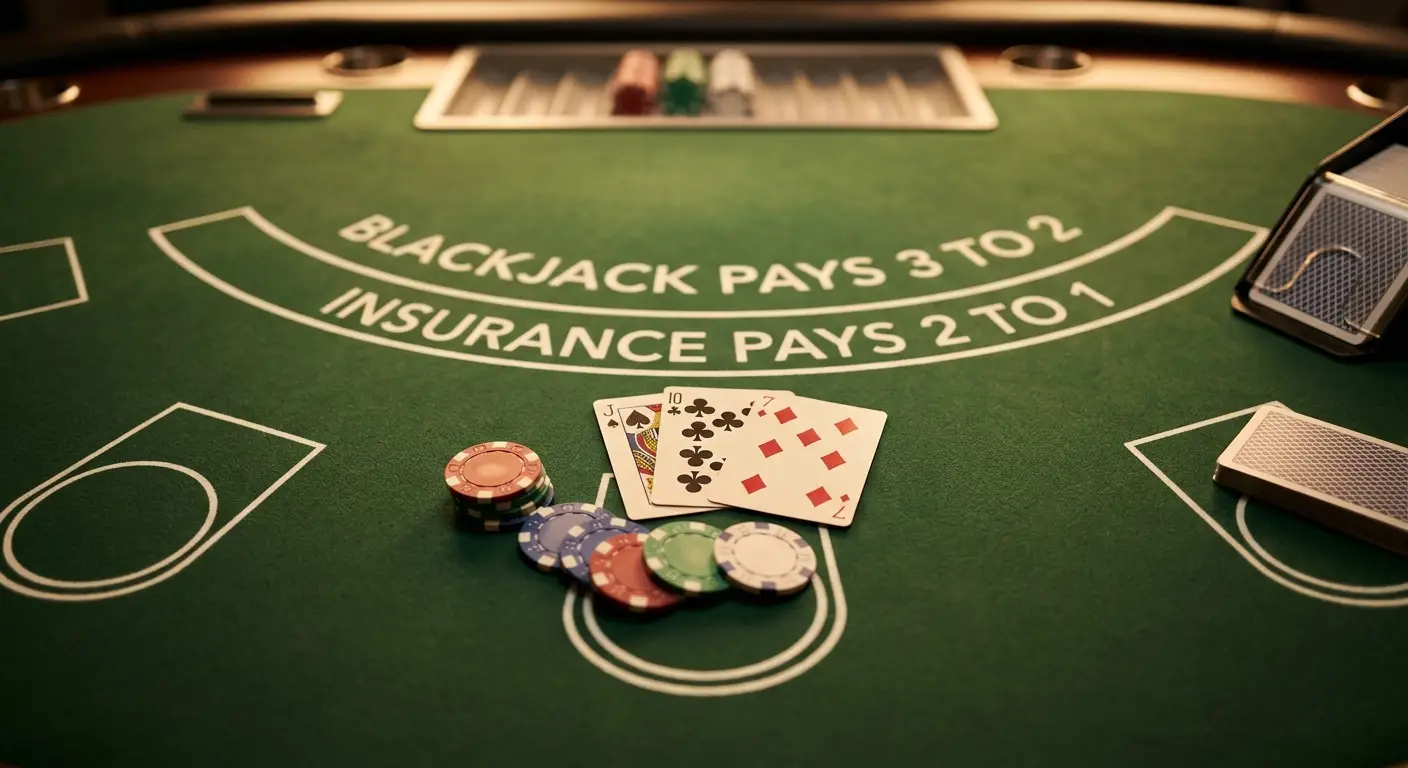
The live-dealer product is where offshore casinos most closely replicate what UKGC operators offer, because the streams themselves come from the same studios. Evolution Gaming and Pragmatic Play Live dominate the segment on both sides of the licensing divide, with Ezugi filling in regional variants. The dealer at a non-GamStop blackjack table is often, quite literally, the same dealer, in the same studio, on the same shift as the one you’d see on a UK-licensed site.
What differs is the wrapper. At non-GamStop casinos, Evolution tables run without UKGC-specific session timers, reality-check pop-ups, or the £5 stake ceiling that overlays the same game on a regulated UK platform. Higher-stakes tables — Salon Privé, VIP blackjack, the Lightning Roulette high-roller variants — become materially more accessible. If your live-dealer play sits in the £20–£200 per hand range, that experience is entirely blocked at UK-licensed sites in 2026. It isn’t at DonBet, GoldenBet, MyStake or any of the top-eight brands above.
Game-show titles — Crazy Time, Monopoly Live, Funky Time, Sweet Bonanza Candyland — sit inside the same Evolution studio product. Every operator carrying Evolution’s full suite has access to them. The catch worth flagging: these titles were essentially designed for higher operator margins than classic table games, and while they’re entertaining, the maths is no friendlier at an offshore site than at a UK one. A wheel is a wheel. The house pays the same edge on the same segment split whether the operator holds a CGA licence or a UKGC one. Anyone selling „better live-dealer odds“ at an offshore site is selling a story the studios themselves would flatly deny.
Payments, Payouts and the PayPal / Boku Problem
Payment breadth is where the offshore market gets loud and where a lot of the marketing copy stops being honest. The short version: card processing works, e-wallets work, crypto works reliably, and PayPal and Boku barely work at all.
Cards. Visa, Mastercard and Maestro cover most of the top non-GamStop casinos, and unlike UKGC operators, credit cards still process. Amex appears occasionally. The 2020 UKGC ban on credit-card gambling deposits doesn’t apply to offshore sites, so if you specifically want to fund a casino balance from a credit card, this is where that option still exists. Whether it’s a good idea is a separate conversation. Putting slot stakes on borrowed money is one of the most reliable predictors of a bad Monday morning.
Skrill and Neteller. These are the workhorses at most offshore sites in 2026 — instant deposits, withdrawals inside 12 hours on typical amounts, a 1% Skrill transaction fee that most players accept for the speed. If you don’t already have accounts with both, opening one now is a lower-friction route than trying to move everything through cards.
PayPal. Effectively unavailable in the pure non-GamStop segment. PayPal itself pulled back from offshore gambling partnerships years ago, and the option is now exclusive to UK domestic operators for most practical purposes. When affiliate sites list „PayPal casinos not on GamStop“, they’re usually pointing at partner wallet routing that behaves like PayPal but isn’t the direct integration you’d get at a UKGC casino. Read the cashier carefully. If PayPal appears at all, verify it processes GBP-denominated deposits before you build a habit around it.
Boku. Boku and Fonix were designed around the UKGC ecosystem. Most offshore Curaçao and MGA operators have no reason to integrate them, and most don’t. Some do. Availability comes and goes, and the standard £30 daily deposit cap that Boku enforces at UK level applies at any offshore site that carries it. Withdrawals never go back through Boku — that’s a structural limit of the payment rail, not a casino policy — so you’ll need a secondary method for cashout.
Crypto. BTC, ETH, LTC, USDT, XRP and Solana handle deposits and withdrawals across most of the serious offshore market. Jack processes crypto withdrawals typically within 5–15 minutes; other Curaçao sites clear in the same window on smaller amounts, with delays creeping in at larger cashouts pending KYC review. Stablecoins reduce the volatility risk on winnings, and Monero appears at a small subset of operators for players who want additional privacy at the wallet level.
Currency handling. GBP-denominated cashiers exist but aren’t universal. Deposits from a GBP card to a EUR- or USD-denominated casino account go through the provider’s exchange rather than the casino’s, and PayPal’s or the card issuer’s conversion margin adds up over multiple sessions. If your casino balance shows in EUR at the top of the page and you’re depositing from Barclays, you’re paying a small conversion tax on every transaction. Worth checking before you commit.
Do casino sites not registered with GamStop accept PayPal?
Very few genuinely do. PayPal restricts direct casino processing to UKGC-licensed operators in the UK market, so most offshore „PayPal casinos“ run partner-wallet routing that resembles PayPal without being a native integration. Verify the cashier before you deposit. Skrill, Neteller, Trustly and crypto are more reliable rails for a UK player at an offshore site in 2026.

Bonuses and Wagering — Reading Past the Headline Percentage
The offshore bonus market is louder than the UKGC one because it can afford to be. UK-licensed operators sit under caps on promotional value, targeting rules that stop offers being aimed at losing players, and the general chill of the 2023 White Paper reforms. Non-GamStop sites don’t. So the headline numbers go up.
A 200% match up to £1,000 is a real offer at half the operators on this page. So is a 300% match up to £3,000 in the crypto tier. So is a €6,000 spread across three deposits. The word „generous“ appears prominently at the top of the page. The word „wagering“ appears in the small print at the bottom. Which one you paid attention to before depositing is the difference between a productive session and a slightly cursed weekend.
The mechanics matter more than the numbers. Wagering multiplier is applied to bonus, bonus plus deposit, or bonus only — the middle option is the harshest and the most common at 35x–45x on the sites in this guide. Contribution weighting decides how much of your live-dealer play counts (usually 10%, sometimes 0%, occasionally banned outright while wagering). Max bet during wagering at £3–£5 caps the pace at which you can clear playthrough, which particularly hurts high-volatility slot players who need larger swings to survive. Excluded games removes precisely the high-RTP titles you’d otherwise want to grind the wagering through. Cashout caps on no-deposit spins („100 free spins, max cashout £50“) turn the promo from valuable into essentially symbolic once the ceiling hits.
The best sanity test I know: take the total volume required to clear a bonus, divide by the maximum bet allowed during wagering, and multiply by the average slot round time of roughly 3–4 seconds. If the answer is more hours than you’d realistically play in a fortnight, the bonus is a marketing figure, not a value offer. That doesn’t make it a scam — it means the value sits on the operator’s side of the ledger, and you should decide whether that’s the price you want to pay for the entry-level cash injection. Nobody hands out real money without expectation of return. Not casinos, not banks, not the man in the pub explaining his „system.“
When an offshore lobby offers „free“ spins with „zero wagering“ and calls the whole exercise a „welcome“ gift, the quotation marks are doing rather a lot of work. VIP programmes marketed as elite tend to look, on close inspection, like a motel with a fresh coat of paint on the outside sign. A „free“ spin, in bonus economics, is closer to the free lollipop at the dentist’s — pleasant enough on the way out, and structurally intended to keep you booking further appointments. Casinos are not charities. They are not trying to be. They are extremely well-designed businesses in a category with roughly 4–8% house edge on slots and 0.5–2% on optimal-play blackjack, and every offer that comes at you exists inside that maths. Two operators on the ranked list — VeloBet and Rolletto — offer meaningfully lower wagering on their no-deposit spins than the industry average. That’s the exception, and the reason it deserves flagging.
New Casinos Not Registered With GamStop in 2026 — What’s Worth a First Deposit
New brand launches in the offshore segment run at a rapid pace, and most of them are Anjouan-licensed white-labels operating off two or three platform backbones. The distinction between „new“ and „new-ish“ starts to blur — VeloBet from 2023 is still marketed as a new brand at some affiliate sites, and Jack (the May 2026 Jackbit rebrand) is technically a rename rather than a genuine fresh launch.
Genuinely new brands in 2026 tend to share a signature. Aggressive welcome bonuses (150%+ match on first deposit, 100 spins as standard, sometimes bundled with cashback offers). Crypto-forward payment integrations from day one. Slot libraries seeded with the current-year Pragmatic Play releases plus the newest Hacksaw Gaming titles. Sportsbook attached but often bolted on rather than integrated. Support responsive at launch, degrading a little as customer volume scales and the operator’s initial staffing hits its limits.
The risk with a new brand is short. No track record on complaint resolution. No clear withdrawal-under-scale data. No operator history through a payment-processor outage or a KYC-vendor migration. That’s fixable with time — every established operator started with the same profile. What isn’t fixable is when the licence is the wrong one. An Anjouan number displayed at the footer of a site that looks like it wants six-figure UK deposits should trigger caution, because the licence isn’t sized for that operational scale. The Anjouan framework was designed for lean startups, not for aggressive scale.
If you’re testing a new non-GamStop casino: keep the first deposit small, complete a full withdrawal cycle before the second deposit, and read the terms rather than the promotional page. Those three habits make almost every „new site scam“ story avoidable. The rest is operator quality, and operator quality can only be observed over time.
Are new non-GamStop casinos safe to use?
Some are, some aren’t, and there’s no shortcut to knowing which. Look for a verifiable Curaçao CGA or Anjouan AGA licence number, functional live chat within a few weeks of launch, and a completed cashout cycle from your own account before you scale up deposits. New brands with none of those are worth walking past.
Casinos Not Registered With GamStop for Players in Wales, Scotland and Northern Ireland
The Gambling Act 2005 is a UK-wide statute and applies uniformly across England, Wales, Scotland and Northern Ireland. There is no separate GamStop for Wales, no separate ruleset for Cardiff versus Manchester, and no operator marketing itself specifically as „casinos not registered with GamStop Wales“ that differs meaningfully from the same operator marketing itself to a London postcode. The regional search keyword exists because search behaviour is regional. The product itself is national.
Practical differences show up in a handful of narrow areas rather than in the underlying regulatory position. Bank-level payment blocks vary by high-street bank rather than by nation. HSBC, Monzo, Starling, Lloyds and NatWest each have their own approach to flagging or blocking gambling transactions to offshore sites, and none of those policies changes when your account is registered to a Welsh or Scottish address. Payment methods themselves are identical across the four nations. GBP handling remains identical.
The legality position holds across the whole UK: no criminal offence attaches to a UK resident playing at an offshore casino, in any of the four nations. What you lose is UKGC dispute resolution, and the UKGC operates UK-wide anyway. Every practical consideration in this guide applies to a Cardiff address, an Edinburgh address, a Belfast address and a Bristol address in identical form. Regional GamStop registration numbers do vary — the North-East of England has led per-capita sign-ups in recent Gamstop annual reports — but the tool itself is national and the offshore market it drives players toward is likewise national. Regional cluster keywords aside, the reality is one market.
Safety and Trust — How to Verify a Non-GamStop Site Yourself
The affiliate market is loud, and much of what gets ranked as „safe“ is ranked because the affiliate earns higher commissions on those particular brands. That’s not automatically damning — commercial relationships don’t preclude honest ranking — but it does mean independent verification is the only reliable check. Three habits, in sequence, will screen out most trouble before it costs you money:
- Licence lookup first. Copy the licence number from the casino footer and paste it directly into the issuing regulator’s public register. If the domain on the register matches the site you’re on and the status reads „active“, the licence is valid. If either fails, close the page and move on.
- Ownership research second. Google the operator name — the legal entity, not the brand — plus „Casino Guru complaints“ and „AskGamblers reviews“. Cross-reference. Ignore single-source praise or condemnation; look for patterns across three independent trackers. Consistent complaint themes matter more than individual stories.
- Small-deposit cashout test third. Deposit the minimum, wager it once through a low-volatility slot, request a withdrawal below any bonus threshold. This tells you more about the site’s operational quality than five affiliate reviews put together. If the small cashout is smooth, the medium cashout probably will be too. If the small cashout drags, don’t scale up.
The other tell is support quality under pressure. Live chat that responds within two minutes on a Tuesday morning is worthless — anyone can staff a launch phase. Live chat that responds within thirty minutes at 11 pm on a Saturday during a heavy sports weekend is a genuine operational signal. Test it before you commit to anything meaningful.
Common red flags that turn up in most credible complaint patterns: repeated KYC document requests for the same document already accepted; withdrawals split arbitrarily into multiple smaller payments each requiring separate verification; bonus terms invoked at cashout that weren’t visible when the bonus was claimed; sudden „responsible gambling“ account freezes coinciding with pending withdrawals. Any one of those in isolation might be operational noise. All four in combination is a pattern. Patterns don’t lie.
Responsible Gambling Outside the UKGC Framework
The uncomfortable truth about non-GamStop sites is that the safer-gambling architecture is thinner than at UKGC-licensed operators, and pretending otherwise doesn’t help anyone. UKGC operators must apply GamStop integration, mandatory affordability triggers, LCCP-standard responsible-gambling tooling and reality checks by law. Offshore operators apply what their licensing jurisdiction requires, which varies enormously between Curaçao’s post-LOK regime, the lighter Anjouan model, and the more rigorous Maltese framework.
The layered approach the UK safer-gambling sector actually recommends is worth adopting even if you use offshore sites: GamStop at the operator level, Gamban or BetBlocker at the device level, and, where relevant, SENSE for retail casinos or MOSES for betting shops. That combination handles the gap non-GamStop sites create by default, because a device-level block works whether an individual operator is inside the UKGC framework or not. Gamban is a paid subscription. BetBlocker is a free charity-run alternative. Both block tens of thousands of gambling sites at device level, regardless of licensing jurisdiction.
Every non-GamStop operator provides some in-house tooling — deposit limits, session timers, self-exclusion within their site — but the quality varies widely by brand, and none of those tools cross-reference to other operators. Self-excluding from Casino A does nothing at Casino B, even if both happen to be Santeda white-labels sharing back-end infrastructure. That’s the structural gap the domestic regime was designed to close, and it’s the one that reappears the moment you cross into offshore territory.
If self-exclusion is the reason you’re reading this guide at all, GamStop plus a device blocker outperforms any single-operator solution by a very wide margin. The honest recommendation is to use that pairing rather than the offshore workaround, particularly if the impulse to keep gambling is what drove you toward GamStop in the first place. For anyone concerned about their patterns, GamCare’s National Gambling Helpline (0808 8020 133) operates 24/7 across the UK and is the appropriate starting point for a conversation. Trained advisers, no cost, no obligation.
Responsible Gambling When the Safety Net Is Thinner
Can you use GamStop to self-exclude from non-GamStop casinos?
No. GamStop is an operator-side register maintained by the UKGC — it only blocks accounts at gambling companies holding a UK Gambling Commission licence. Offshore casinos are neither obliged to check the GamStop database nor able to. Device-level blockers such as Gamban and BetBlocker cover both categories and are the appropriate tool for anyone wanting a full block.
Do UK players pay tax on winnings from non-GamStop casinos?
No. GamStop is an operator-side register maintained by the UKGC — it only blocks accounts at gambling companies holding a UK Gambling Commission licence. Offshore casinos are neither obliged to check the GamStop database nor able to. Device-level blockers such as Gamban and BetBlocker cover both categories and are the appropriate tool for anyone wanting a full block.